
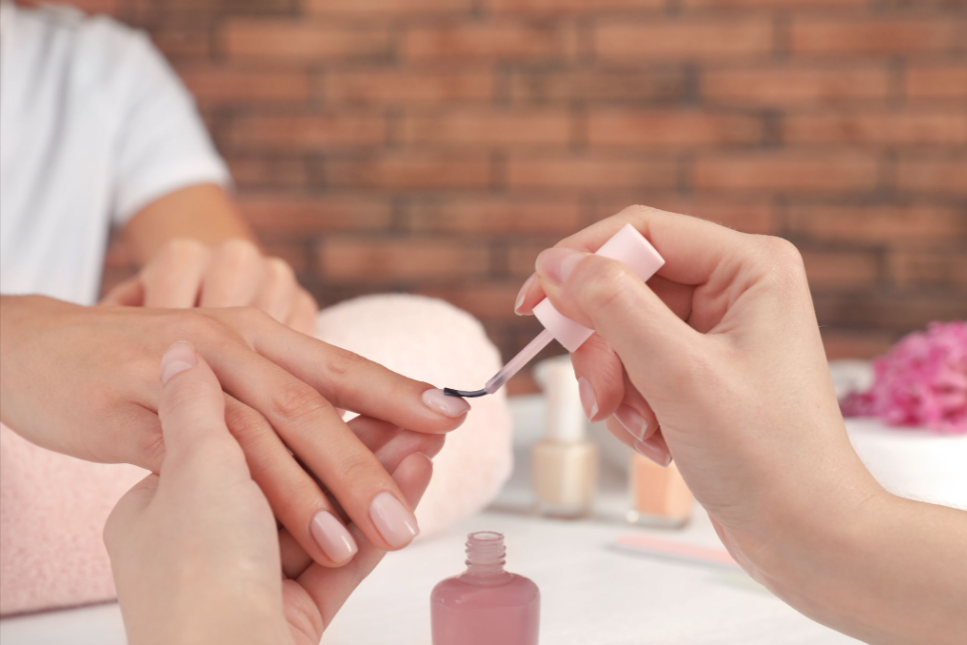
Well-groomed hands often create a strong first impression in daily interactions. Many people focus on skincare and hair care but overlook nail maintenance. A manicure offers more than polished nails because it supports cleanliness and personal presentation. The treatment suits different lifestyles and preferences, making it a popular beauty service. Understanding how it works helps people make informed choices about nail care.
Understanding a Manicure
A manicure is a cosmetic treatment that improves the appearance and condition of fingernails and hands. Nail technicians clean, shape, and groom the nails during the service. Many treatments also include cuticle care and moisturizing techniques. The process combines hygiene, maintenance, and beauty enhancement into a single professional service.
What Happens During a Manicure?
A standard manicure begins with cleaning the hands and removing old nail polish. The technician trims and shapes the nails according to personal preference. Cuticles are carefully trimmed to create a neat appearance around each nail. Many services include gentle buffing to smooth uneven nail surfaces. A hand massage often follows to improve comfort and hydration. The appointment usually ends with a polish application or another decorative finish.
Who Can Benefit From a Manicure?
People of all ages can benefit from regular nail care treatments. Professionals often choose manicures to maintain a polished appearance at work. Students and retirees also enjoy the practical and aesthetic advantages of healthy nails. The service adapts to different lifestyles and personal preferences. Some clients visit salons regularly, while others schedule appointments before important occasions. A manicure offers flexible options that suit both simple and detailed grooming needs.
The Purpose of Nail Care Treatments
People often seek manicures for both appearance and maintenance reasons. Healthy nails require regular attention to remain clean and attractive. Professional treatments help address common grooming concerns before they worsen. Consistent care also supports a polished and confident appearance in everyday situations.
Benefits Beyond Appearance
A manicure does much more than improve how nails look. Regular maintenance helps prevent hangnails, rough cuticles, and nail breakage. Moisturizing products support softer skin and healthier-looking hands. Nail technicians may notice early signs of nail issues during appointments. Professional grooming also creates a cleaner nail environment. Many clients enjoy the relaxing experience as much as the visual results.
How Nail Health Affects Overall Hand Appearance
Healthy nails contribute to a cleaner and more attractive appearance. Dry cuticles and uneven nail edges can make hands look neglected. Regular manicures help maintain a tidy and balanced look. Moisturizing treatments also improve the condition of the surrounding skin. Stronger nails tend to break less often during daily activities. Consistent care supports both appearance and comfort over time.
Different Types of Manicures
Modern nail salons offer several manicure options for different preferences and needs. Each service follows a similar foundation but includes unique techniques or products. Some styles focus on durability while others emphasize natural nail care. Understanding the differences helps clients choose the most suitable treatment.
Classic Manicure
The classic manicure remains one of the most requested nail services. This treatment includes nail shaping, cuticle care, and traditional polish application. Standard nail polish offers a wide range of colors. The process works well for people who enjoy changing nail colors frequently. Removal is simple and usually requires standard nail polish remover. Many clients choose this option for its convenience and affordability.
Gel Manicure
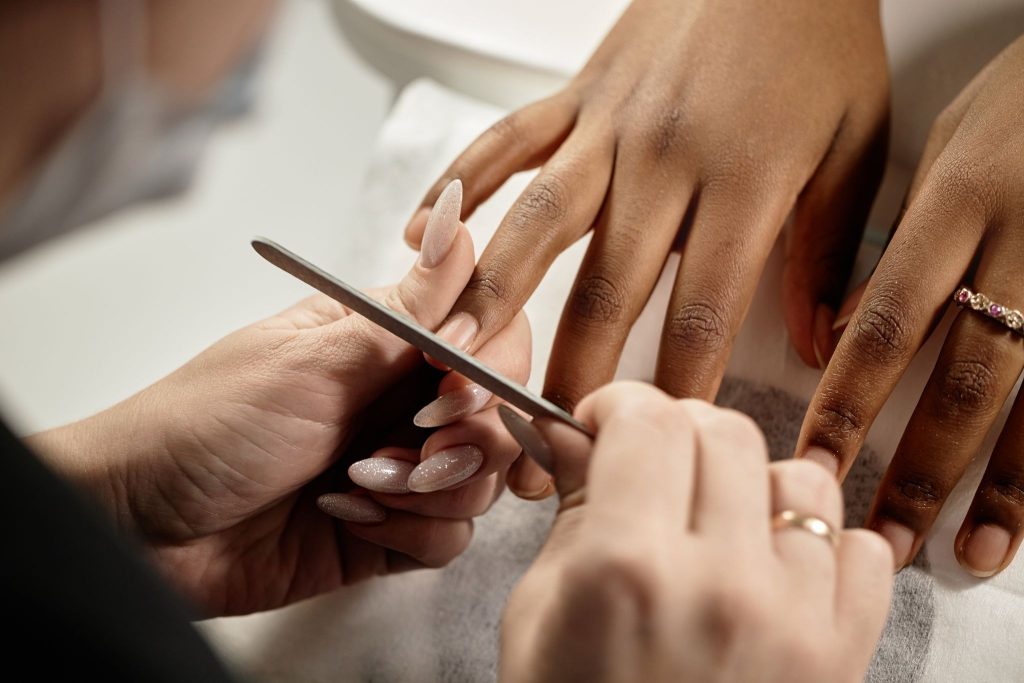
Gel manicures use specialized polish that cures under a UV or LED lamp. The finished result often lasts longer than traditional nail polish. Many people appreciate the glossy appearance and chip-resistant finish. The treatment works well for busy schedules and special events. Proper removal remains important because peeling can damage natural nails. Professional removal helps maintain nail health between appointments.
Acrylic Manicure
Acrylic manicures create added length and strength using liquid and powder products. Technicians shape the material over natural nails or extensions. This option appeals to people seeking dramatic nail designs or longer nails. Acrylic enhancements can last several weeks with regular maintenance appointments. Proper application and removal help reduce unnecessary stress on the nails. Experienced technicians often achieve highly customized results.
Dip Powder Manicure
Dip powder manicures combine colored powder with bonding products. The process creates a durable finish without requiring traditional gel polish application. Many clients appreciate the strength and longevity of this method. The treatment often provides a natural appearance with added durability. Different color options allow for creative customization. Regular maintenance helps preserve the overall look and condition of the nails.
Choosing the Right Manicure Type
Different manicure styles serve different goals and preferences. Some clients prioritize durability while others prefer a natural appearance. Lifestyle habits often influence the most suitable treatment option. Frequent keyboard users may prefer stronger finishes that resist wear. People who enjoy changing colors regularly may choose traditional polish services. Understanding personal needs helps narrow the available choices.
Manicure vs. Pedicure
A manicure and pedicure both focus on nail grooming, but they address different areas of the body. Many people encounter both services when visiting a nail salon. Understanding the differences helps clients choose the most suitable treatment. Comparing these services also provides a clearer picture of complete nail care.
Difference Between a Manicure and a Pedicure
A manicure focuses on fingernails, cuticles, and the skin on the hands. A pedicure focuses on toenails, foot care, and skin maintenance. Both services include shaping, grooming, and cosmetic improvements. Nail technicians often use similar tools during each treatment. The main difference involves the treatment area and specific care techniques. Many salons offer both services individually or as a combined package.
Should You Get Both Services?
Many clients schedule both treatments to maintain consistent grooming. Hands and feet experience different types of wear throughout daily activities. Professional care helps address concerns specific to each area. Combining services can create a more polished overall appearance. Many nail salons offer appointment packages that include both treatments. Personal preference, lifestyle, and budget often guide the final decision.
How Often Should You Get a Manicure?
The ideal manicure schedule depends on personal habits and nail conditions. Lifestyle factors often affect how quickly nails grow and wear down. Some people prefer frequent appointments for appearance reasons. Others focus mainly on maintenance and nail health.
Finding the Right Schedule
Many clients schedule manicures every two to four weeks. Traditional polish often requires more frequent visits because chipping occurs sooner. Gel and dip powder options usually last longer before needing maintenance. Nail growth also affects how quickly results begin to look outdated. People with active lifestyles may need touch-ups more often. A consistent schedule helps maintain healthy and attractive nails throughout the year.
Factors That Affect Manicure Frequency
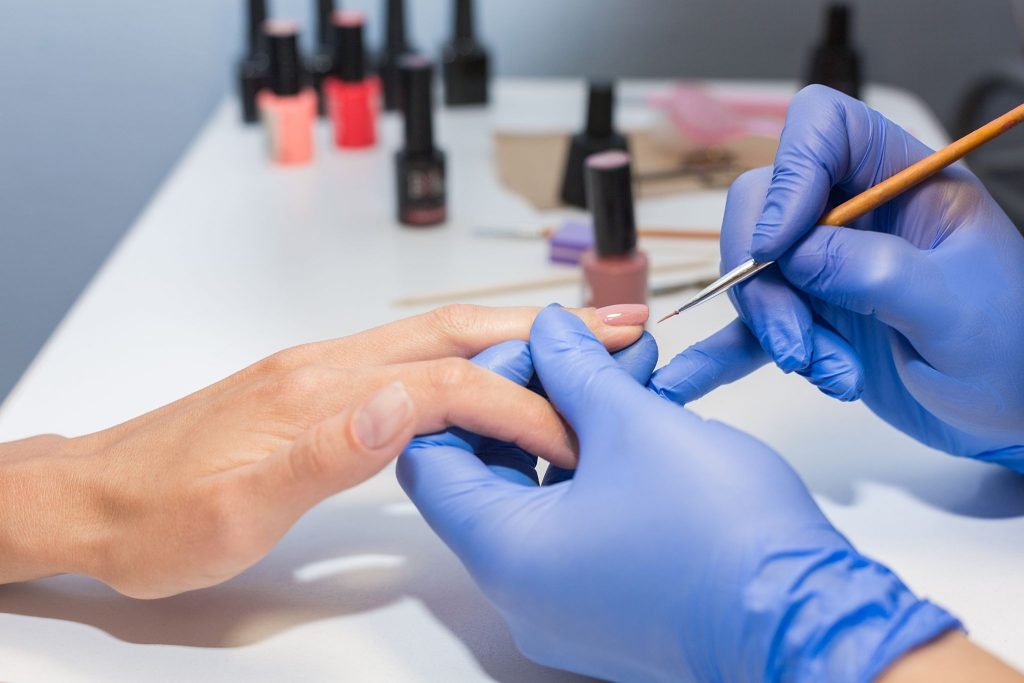
Nail growth varies from person to person and affects maintenance schedules. Daily activities can also influence how long a manicure lasts. Frequent exposure to water may shorten the lifespan of certain finishes. Seasonal changes can also affect skin and nail conditions. Clients who prefer flawless nails often schedule appointments more frequently. Personal preference remains one of the biggest factors when planning visits.
Manicure Aftercare Tips
The appearance of a manicure depends on the care it receives after the appointment. Daily habits can affect how long nail polish and other finishes last. Proper maintenance helps preserve both nail health and appearance. Good aftercare practices can also reduce the need for premature touch-ups.
How to Maintain Results After a Manicure
Daily moisturizing helps keep hands, cuticles, and nails in good condition. Cuticle oil can help keep nails looking healthier between appointments. Wearing gloves during cleaning tasks helps protect polish and nail enhancements. Nail strengthening treatments may help reduce breakage for some individuals. Gentle nail care habits help keep manicures looking good longer. Consistent maintenance often improves the overall appearance of the hands.
Habits That Can Shorten Manicure Lifespan
Using nails to open packages can cause chips and cracks. Frequent exposure to water may affect certain manicure finishes. Harsh cleaning products can weaken nail polish and decorative designs. Picking at gel polish or acrylic products may damage natural nails. Neglecting cuticle care can affect the overall appearance of the manicure. Small daily habits often determine how long results remain attractive.
Manicure FAQs
Many people have questions before scheduling their first manicure appointment. Clear answers help clients make informed decisions about nail care services. Understanding common concerns can improve expectations and satisfaction. These frequently asked questions address topics people often discuss with nail technicians.
How Long Does a Manicure Last?
The lifespan of a manicure depends on the products and techniques used. Traditional nail polish typically lasts about one week with proper care. Gel manicures often last two to three weeks. Dip powder and acrylic options may last even longer. Daily activities can influence durability and overall appearance. Regular maintenance helps extend the life of most manicure styles.
Does a Manicure Damage Natural Nails?
A professional manicure does not usually damage healthy, natural nails. Problems often result from improper application or removal methods. Excessive filing can weaken the nail surface over time. Peeling off gel polish may also cause unnecessary damage. Experienced nail technicians use techniques designed to minimize these concerns. Following recommended aftercare practices helps support nail health.
How Much Does a Manicure Cost?
Manicure pricing varies depending on the service type and the salon’s offerings. A classic manicure often costs less than gel, dip powder, or acrylic treatments. Nail art, nail extensions, and specialty designs can increase the final cost. Salon location and technician experience may also affect pricing. Many salons provide package options for recurring appointments. Understanding available services helps clients choose treatments that fit their budget.
Invest in Better Nail Care With a Manicure
Healthy nails rarely happen by chance because they require consistent care and attention. A manicure provides a practical way to maintain clean, well-groomed nails while supporting the overall appearance of your hands. Regular appointments can help address common nail concerns before they become more noticeable or difficult to manage. Choosing professional nail care today can help you maintain stronger, healthier-looking nails that leave a positive impression every day.
Beauty knowledge goes beyond the treatment room. Discover fresh perspectives, care recommendations, and industry insights on the DNA II Aesthetics Studio blog today.